Tanzania looks to turn Kiswahili into a global economic asset
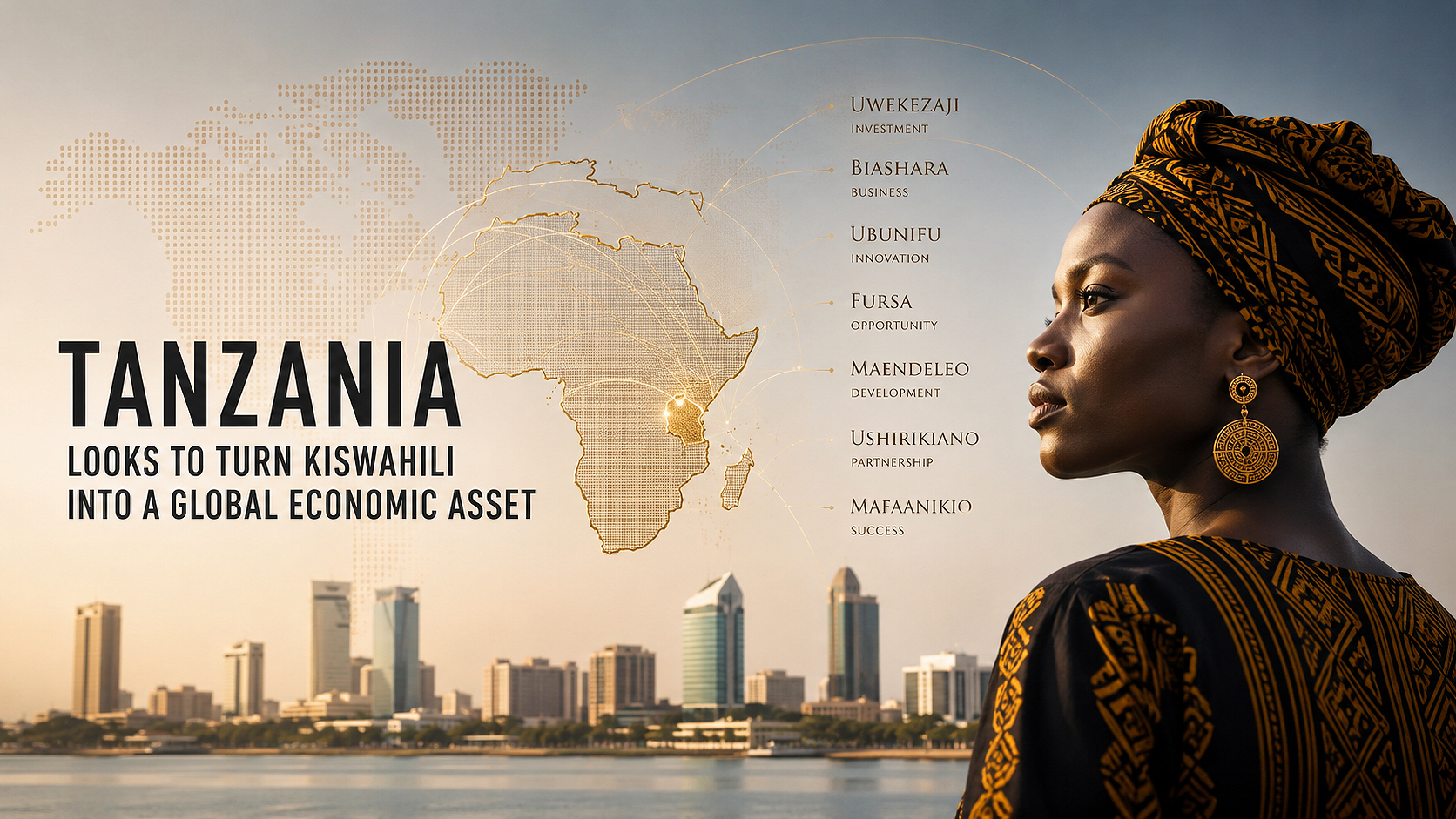
Tanzania is seeking to position Kiswahili as an economic resource as well as a cultural symbol, ahead of an international conference in Paris focused on the future of the language.
Academics, language experts and policymakers say Kiswahili could create new opportunities in education, technology, translation, tourism and the creative industries if supported by stronger investment and international cooperation.
The discussion comes before the Second International Kiswahili Conference in Paris, where delegates are expected to examine how the language can contribute to economic growth and global engagement.
UNESCO's recognition of World Kiswahili Language Day has helped raise the language's international profile. More than 200 million people speak Kiswahili across East, Central and Southern Africa.
Speaking at a preparatory forum, Emmanuel Kusanja of Tanzania's National Kiswahili Council said the language should be promoted as "both an economic product and a diplomatic tool".
He proposed internationally recognised language certification, professional translation services, exportable teaching materials and digital learning platforms to expand Kiswahili's global reach.
Tumaini Nginila of the Swahili Grammar Association of Tanzania said investment in artificial intelligence, digital dictionaries and online learning tools would be essential if Kiswahili is to remain competitive in the digital age.
"As AI increasingly shapes global communication, languages that are not integrated into digital ecosystems risk being left behind," he said.
Students also called for universities to play a greater role in supporting language-based entrepreneurship through translation services, digital publishing and technology start-ups.
Participants said the creative industries, including music, film, literature and cultural tourism—could also increase international demand for Kiswahili while creating new jobs and business opportunities.
Organisers say the Paris conference aims to promote Kiswahili not only as a language of cultural identity but also as a contributor to innovation, trade and international economic cooperation.